What Does It Really Cost to Refelt a Roof in 2026?
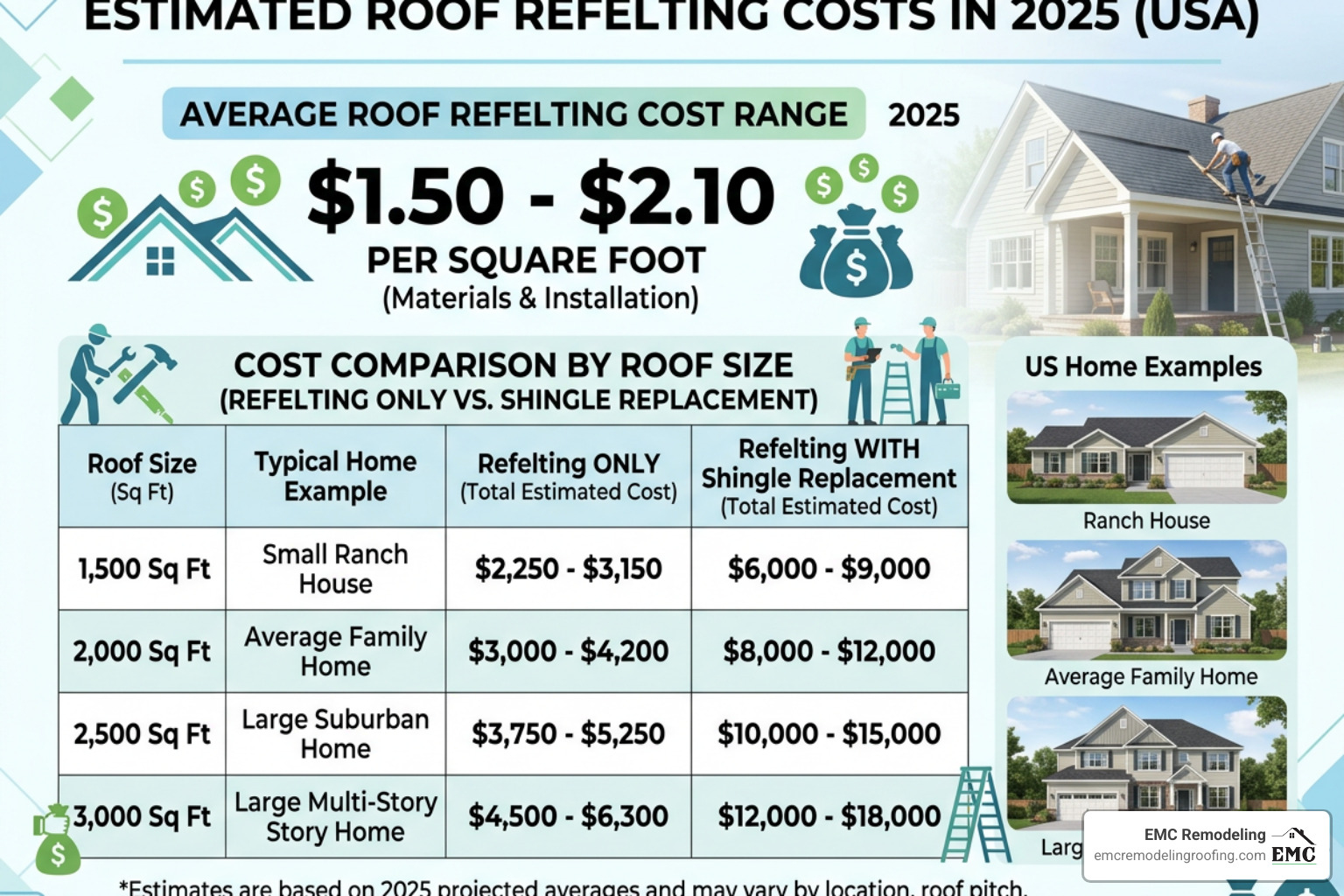
The cost of refelting a roof typically falls between $1.50 and $2.10 per square foot for underlayment installation. For most homes, here’s what to expect:
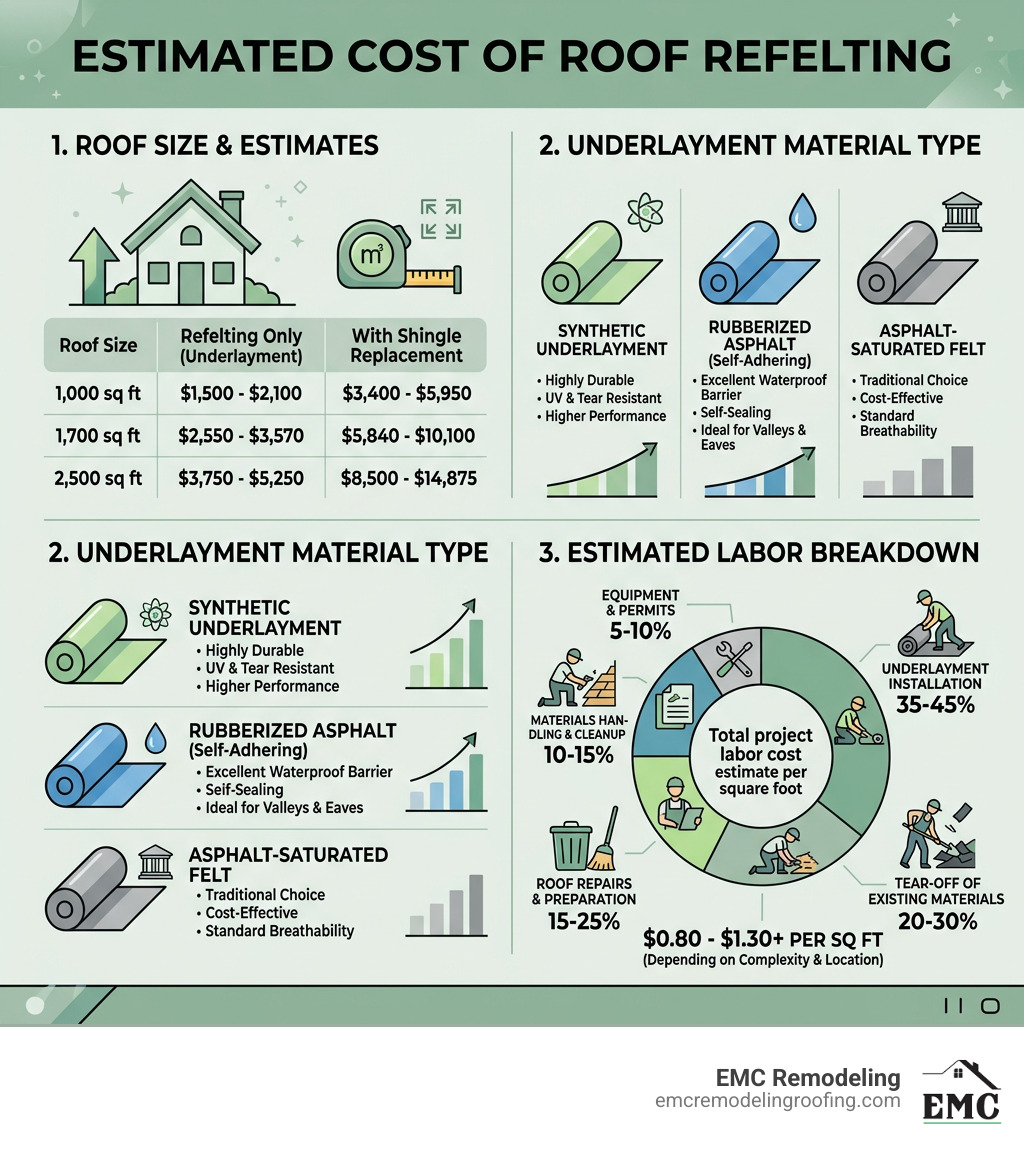
| Roof Size | Refelting Only | With Full Shingle Replacement |
|---|---|---|
| 1,000 sq ft | $1,500 – $2,100 | $3,400 – $5,950 |
| 1,700 sq ft | $2,550 – $3,570 | $5,840 – $10,100 |
| 2,500 sq ft | $3,750 – $5,250 | $8,500 – $14,875 |
These are national averages. Your final number shifts based on material type, labor, roof pitch, and whether tear-off is needed.
In Central Texas, intense UV exposure and sudden hailstorms accelerate underlayment wear faster than in milder climates – making timely refelting a smart investment, not just a repair. If your roof is showing signs of moisture damage or your felt is brittle and cracking, the real cost isn’t refelting – it’s waiting. Working with a trusted local roofing contractor ensures you get an accurate assessment before small issues become structural ones.
I’m Matthew Runyon, President of EMC Remodeling & Roofing in Temple, Texas, and with over 15 years of hands-on roofing experience, I’ve helped hundreds of Central Texas homeowners understand the true cost of refelting a roof and make confident, budget-smart decisions. In this guide, I’ll walk you through every cost factor – from materials and labor to permits and insurance – so you know exactly what to expect.
Cost of refelting a roof vocabulary:
Introduction
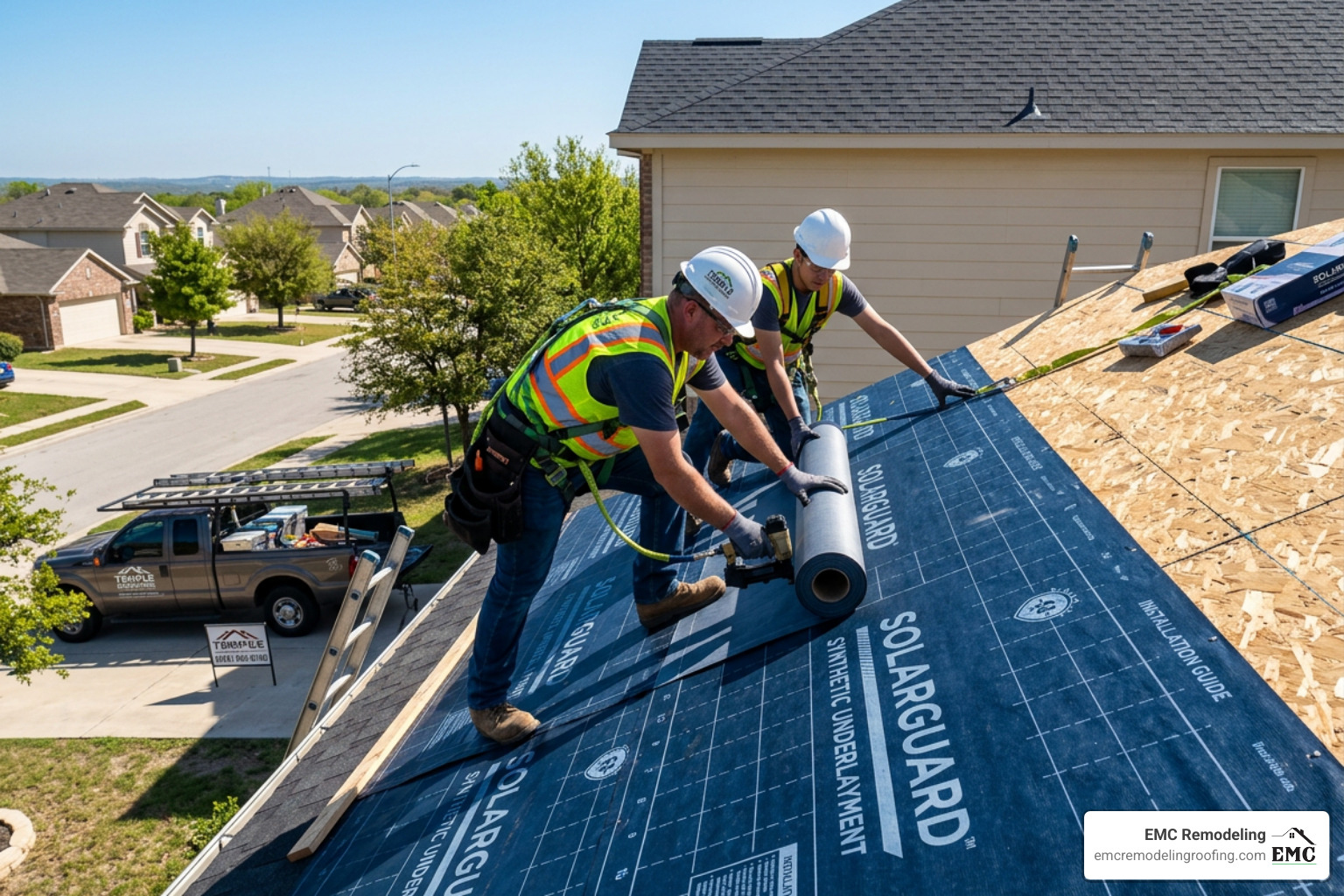
Refelting a roof, often referred to as replacing the underlayment, is a critical maintenance task that ensures your home remains watertight even if the primary roofing material fails. Think of your shingles or tiles as the “armor” and the felt as the “waterproof skin” underneath. For homeowners in Central Texas, securing a reliable roofing partner is the first step in protecting your property from the region’s intense sun and unpredictable storms.
In places like Temple and Leander, TX, the weather doesn’t play fair. We see triple-digit heat that turns old organic felt into peanut brittle and hailstorms that can crack even the sturdiest tiles. When that happens, your underlayment is the only thing standing between a rainy afternoon and a flooded living room. Understanding the cost of refelting a roof now can save you thousands in structural repairs later.
Understanding the Average Cost of Refelting a Roof in 2026
When we talk about the cost of refelting a roof, we have to look at whether we are just swapping the “paper” or doing a full tear-off. Most homeowners encounter refelting during a larger project, but if you have a tile roof, you might perform a “lift and reset” specifically to replace failed felt.
| Underlayment Type | Material Cost (per sq. ft.) | Expected Lifespan | Best Use Case |
|---|---|---|---|
| 15lb Asphalt Felt | $0.05 – $0.10 | 15 – 20 Years | Budget-friendly repairs |
| 30lb Asphalt Felt | $0.15 – $0.25 | 20 – 25 Years | Standard residential roofs |
| Synthetic Membrane | $0.25 – $0.45 | 30 – 50 Years | High-durability/Texas heat |
| Ice & Water Shield | $0.50 – $0.80 | 30+ Years | Valleys and low slopes |
The average national cost of refelting a roof ranges from $1.50 to $2.10 per square foot for the installation. For a standard 1,700-square-foot home, homeowners can expect to pay between $2,550 and $3,570 for a dedicated refelting project. If this is part of a full asphalt shingle replacement, the total range typically lands between $5,840 and $10,100. Before you sign a contract, it is vital to get a detailed roof repair estimate that breaks down these material choices.
Key Factors Influencing Your Roof Refelting Expenses
Why does one neighbor pay $3,000 while another pays $6,000 for the same square footage? It usually comes down to the “Three L’s”: Labor, Layers, and Layout.
Labor is the heavyweight here, typically accounting for 60% of the total project cost. In the roofing world, we don’t just charge for the time spent nailing; we charge for the risk and the specialized equipment required to keep our crews safe on your specific roof.
The Impact of Roof Pitch and Complexity on Labor
The “pitch” or slope of your roof significantly dictates the cost of refelting a roof. A flat or low-slope roof is easy to walk on, meaning materials move faster. However, a steep-pitched roof (anything over a 6:12 slope) requires safety harnesses, scaffolding, and more man-hours.
Complexity also adds up. If your roof has multiple valleys, dormers, or chimneys, our team has to spend extra time cutting felt and installing flashing to fix potential leaks. Every “obstruction” on the roof is a point where water wants to get in, requiring meticulous sealing that increases labor hours.
Geographic Location and Local Permit Requirements
In Temple, TX, and Leander, TX, local building codes ensure that your roof can handle the wind speeds we get during storm season. This means we can’t just slap on the cheapest felt available.
- Permits: Expect to pay between $70 and $250 for a standard residential roofing permit.
- Disposal: Removing old felt and shingles costs between $0.39 and $0.53 per square foot.
- Climate Adjustments: In Central Texas, we often recommend synthetic underlayment because it doesn’t degrade under high UV exposure like traditional organic felt.
For a localized look at these prices, check our latest guide on roof replacement costs.
Material Breakdown: Underlayment Types and Ridge Tile Costs
The materials you choose are the foundation of your roof’s longevity. While “roll roofing” or basic felt might cost only $1 to $2 per square foot, it often has a shorter lifespan of 5 to 8 years. For a permanent home, you want something sturdier.
The Cost of Refelting a Roof with Different Underlayment Materials
- Standard 15lb or 30lb Felt: This is the traditional “tar paper.” It’s affordable but can tear easily during installation and becomes brittle over time.
- Synthetic Underlayment: Made from woven polymers, this is the gold standard in Texas. It’s nearly impossible to tear, stands up to the heat, and provides a much better non-slip surface for workers.
- Self-Adhered (Peel and Stick): This is often used as an “ice and water shield.” It creates a 100% watertight seal against the deck. While more expensive, it is often required in valleys.
If you are dealing with a tile roof, the cost to replace underlayment on a tile roof is higher because we have to carefully remove and save your existing tiles before replacing the felt.
Ridge Tile Replacement and Flashing Integration
The ridge (the very top peak of your roof) is where the most wind pressure hits. Replacing ridge tiles often involves:
- Mechanical Fixing: Using screws and clips rather than just mortar for better wind resistance.
- Mortar Repair: If your ridge tiles are “bedded” in mortar, that mortar can crack. Re-bedding or “pointing” is a common add-on during refelting.
- Flashing: We always inspect the lead or aluminum flashing around chimneys. If we’re already refelting, replacing worn flashing is a “must-do” to prevent future leaks.
When to Choose Refelting Over Full Roof Replacement
We get asked this a lot: “Can I just replace the felt and keep my shingles?”
Technically, yes—if you have a tile or metal roof. For asphalt shingles, however, you generally can’t remove the shingles without damaging them. In that case, refelting is a full replacement. For tile roofs, refelting (a lift and reset) is common because the tiles last 50 years, but the felt only lasts 20.
Signs Your Underlayment Needs Immediate Attention
If you notice any of the following, the cost of refelting a roof should be in your immediate budget:
- Internal Dampness: Water stains on your ceiling or “musty” smells in the attic.
- Attic Daylight: If you can see sun peaking through the roof boards in your attic, your felt is gone.
- Brittle Felt: If you touch the felt and it crumbles like a dry cracker.
- Curling Shingles: Often a sign that the heat has compromised the layers underneath.
If you see these signs, you may want to compare retiling costs to see if a full refresh makes more sense for your home’s age.
Evaluating the Long-Term ROI and the Cost of Refelting a Roof
Investing in high-quality refelting isn’t just about stopping a leak; it’s about property value. A home with a documented, high-grade synthetic underlayment is much more attractive to buyers and insurance companies. In fact, some insurance providers offer discounts for “impact-resistant” systems that include reinforced underlayment.
Furthermore, a properly felted roof improves energy efficiency by preventing hot attic air from escaping or moisture from rotting your entire roof structure.
Frequently Asked Questions about Roof Refelting
Does homeowners insurance cover the cost of refelting a roof?
Homeowners insurance typically covers refelting costs if the damage is the result of a sudden, accidental event, such as a hail storm or a fallen tree. It generally does not cover refelting required due to age, wear and tear, or lack of regular maintenance. If a storm rips shingles off and exposes the felt, that is usually a covered claim.
How long does a professional refelting project take?
A professional crew can typically complete a refelting project on a standard-sized home in 1 to 3 days. This timeline includes the removal of existing shingles, inspection of the wooden decking for rot, and the installation of the new underlayment and surface materials. Larger or steeper roofs in the Leander area may take up to 5 days.
Can I refelt a roof myself to save money?
While DIY refelting can save on labor costs, it is not recommended. Roofing is one of the most dangerous DIY jobs. Beyond the fall risk, improper overlapping of felt edges or incorrect flashing installation can lead to catastrophic leaks and structural rot that far exceed the initial savings of hiring a professional. Plus, most manufacturers will void your material warranty if it isn’t installed by a licensed pro.
Conclusion and Next Steps for Your Temple, TX Home
At EMC Remodeling, we are a family-operated business deeply rooted in the Temple and Leander communities. We understand that the cost of refelting a roof is a significant decision for any family. That’s why we offer direct owner involvement on every job and 24/7 emergency support for when those Texas storms catch you off guard.
Refelting is an essential investment in the longevity of your home’s defense system. Whether you are dealing with storm damage or an aging structure, understanding the variables involved helps you budget effectively and choose the right materials for your specific needs. For homeowners in Temple and the surrounding areas, choosing a local expert ensures your roof is built to withstand the unique challenges of the Texas climate.
If you’re worried about the state of your roof felt, don’t wait for the next thunderstorm to find out if it’s failing. Give us a call at 254-332-1750 for a transparent, honest assessment.
