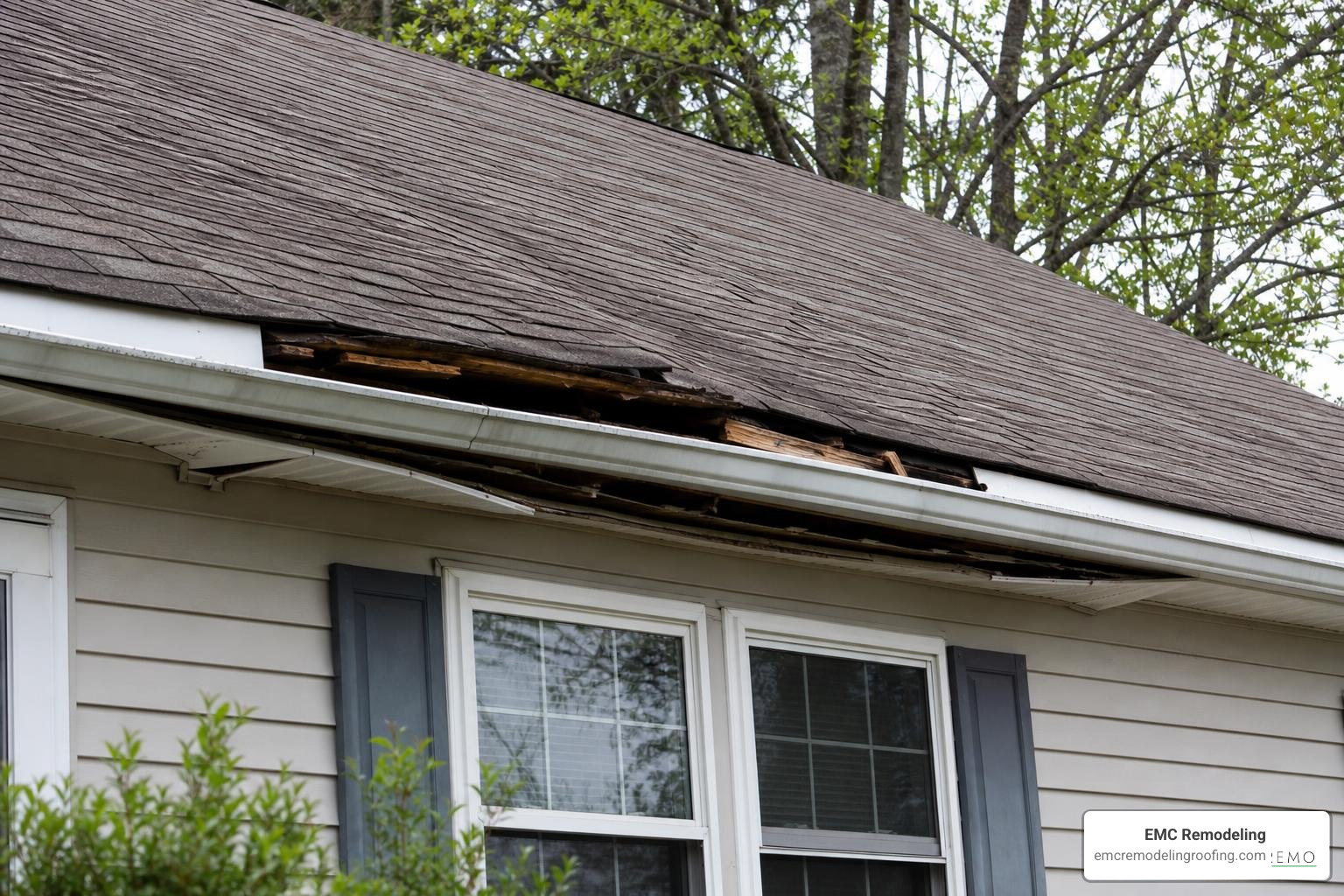
Is Your Roof Trying to Tell You Something? Here’s What to Look For
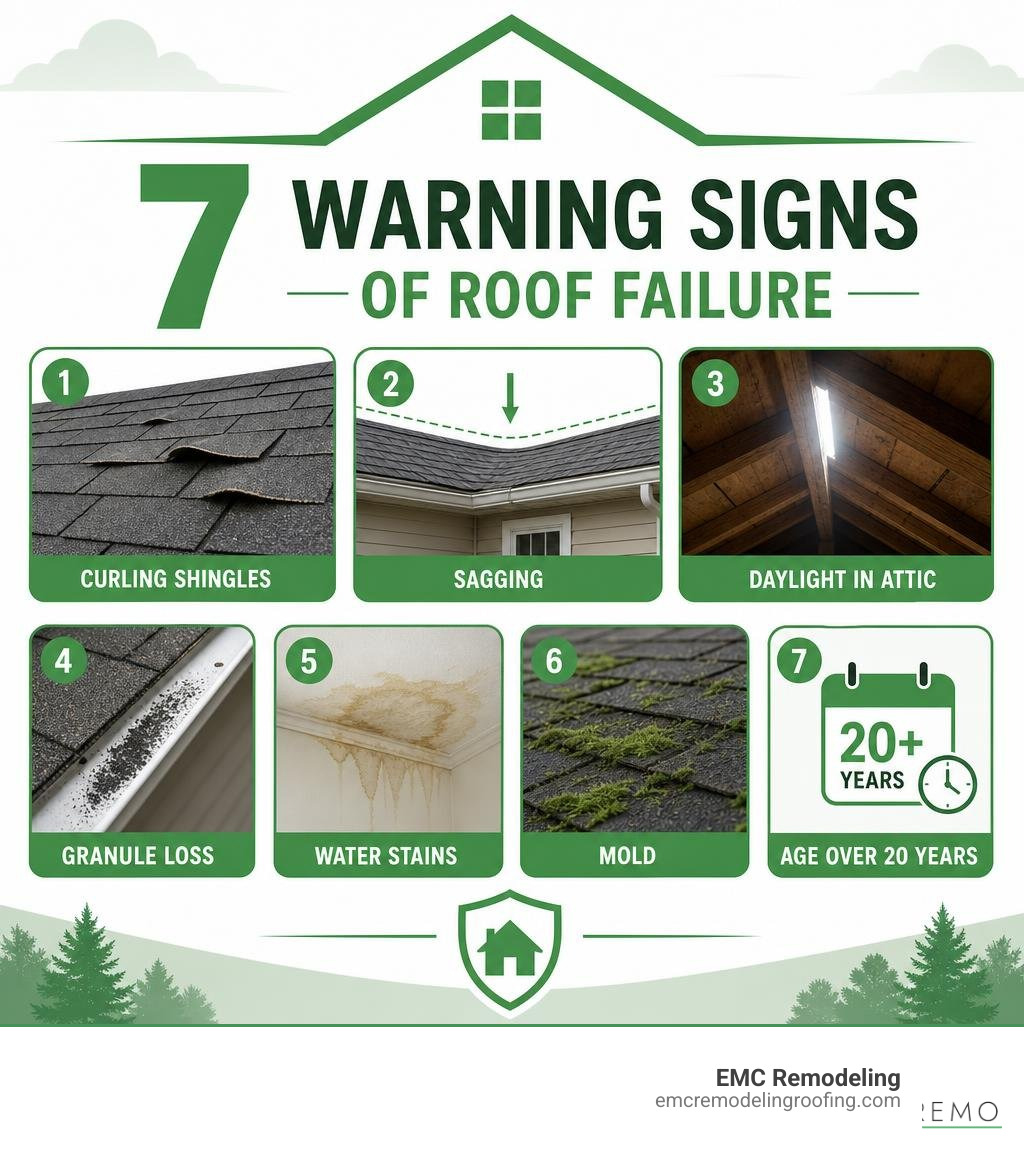
If you’ve been thinking I need a new roof, you’re not alone — and your instincts may be right. Here are the most common signs that confirm it’s time to replace, not repair:
- Curling, buckling, or missing shingles on multiple areas of the roof
- Sagging sections along the roofline or in the middle of a slope
- Granules collecting in your gutters (a sign asphalt shingles are breaking down)
- Daylight visible through attic boards
- Water stains on ceilings or walls after rain
- Moss, mold, or algae growth spreading across the surface
- A roof older than 20 years that has never been replaced
Any one of these alone may call for repair. Multiple signs together almost always mean replacement.
Your roof is your home’s first and most critical line of defense. When it starts to fail, the damage doesn’t stop at the shingles — water infiltration can destroy insulation, rot structural framing, and trigger mold growth that costs far more to fix than the roof itself. A compromised roof can reduce a home’s resale value by up to 10% and lead to thousands of dollars in secondary water damage. That’s why catching the warning signs early is one of the smartest things a homeowner can do.
At EMC Remodeling’s professional home remodeling and roofing services, we’ve seen how a small problem — left unaddressed — becomes a very expensive one.
I’m Matthew Runyon, President of EMC Remodeling & Roofing in Temple, Texas. With over 15 years of experience helping Central Texas homeowners navigate everything from storm damage to full roof replacements, I know exactly what it looks like when someone genuinely needs a new roof. In this guide, I’ll walk you through every sign, cost factor, and decision point so you can act with confidence.
I need a new roof definitions:
7 Critical Warning Signs Your Home Needs a Roof Replacement
Recognizing when your roof is nearing the end of its functional life is the first step toward protecting your home. If you find yourself thinking, “I need a new roof,” it is usually because your home is actively sending you warning signals.
When asphalt shingles lose their protective granule coating, UV exposure accelerates asphalt decay by up to 300%, making immediate replacement necessary. In places like Temple and Leander, TX, where the summer sun regularly pushes temperatures past 100 degrees, this UV degradation happens much faster than in milder climates. Let’s look closer at the physical and chronological warning signs.
To understand how to protect your home from these compounding issues, read our guide on why you Don’t Wait for a Leak to Replace Your Roof.
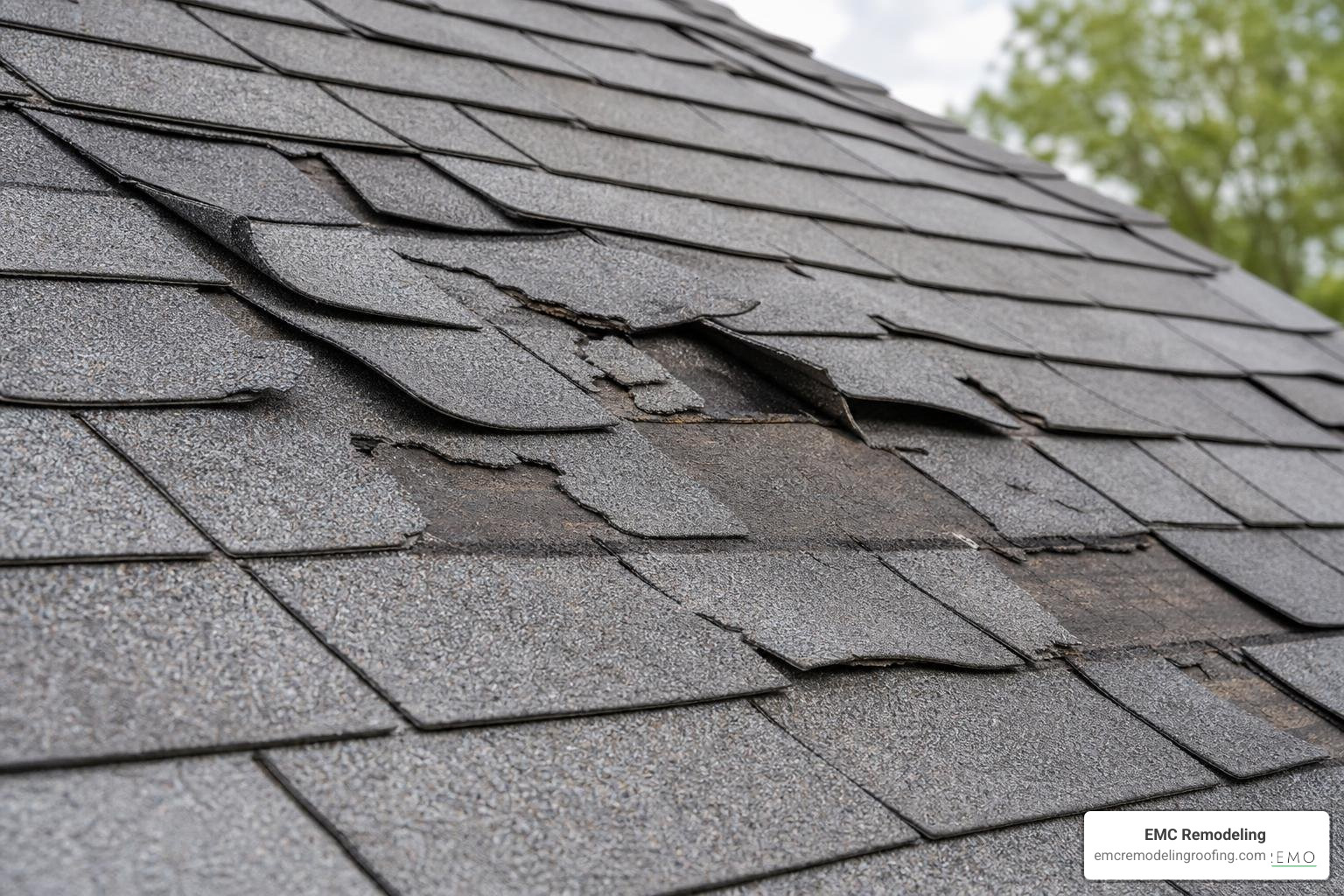
Physical Warning Signs: How Do I Know If I Need a New Roof?
Physical indicators of roof failure are often highly visible if you know where to look. Some of the most common physical warning signs include:
- Curling or Buckling Shingles: When shingles curl (either the edges turn up or the middle bubbles up), they are no longer lying flat. This exposes the underlayment to wind and rain.
- Granules in the Gutters: Finding what looks like coarse black sand in your gutters means your shingles are shedding their protective outer layer. Without granules, the shingles dry out, crack, and fail.
- Sagging Roofline: A sagging roofline is a structural emergency. It indicates that the decking underneath is rotting or the structural rafters have been compromised.
- Daylight in the Attic: If you climb into your attic on a sunny day and see beams of light peeking through the roof boards, water can easily get in through those same gaps.
Active attic mold growth indicates a long-term ventilation or moisture barrier failure, which typically requires a full deck replacement. If you notice structural issues or severe water intrusion during a storm, you may need to call for our Emergency Roof Repair services to temporarily tarp the area and protect your belongings.
Age and Lifespan: The Chronological Signs That Say I Need a New Roof
Sometimes, a roof looks fine from the ground, but its biological clock is ticking. Standard 3-tab asphalt shingles have an average lifespan of 15 to 20 years, while architectural shingles can last 25 to 30 years under optimal weather conditions.
If your roof is approaching or has passed the 20-year mark, the asphalt inside the shingles has likely dried out and become brittle. In Central Texas, our severe hailstorms and extreme temperature swings speed up this aging process. Even if there are no visible leaks yet, an aged roof is highly vulnerable to the next major storm. Planning a proactive replacement is always safer than waiting for a catastrophic failure. Learn more about the timeline and steps for Replacing Your Roof.
Repair vs. Replacement: Making the Cost-Effective Decision
Deciding whether to patch a small area or replace the entire system is one of the most common dilemmas homeowners face.
Homeowners who choose multiple localized repairs over a necessary replacement spend an average of 40% more over a five-year period than those who replace the roof immediately. This is because piecemeal repairs fail to address widespread material degradation, leading to a cycle of recurring leaks and structural damage.

When Simple Repairs Suffice
We always prefer to save our clients money when a full replacement isn’t necessary. A targeted repair is the most cost-effective solution if:
- The roof is under 10 years old.
- The damage is confined to a single slope or a small, localized area (such as a tree limb falling on one corner).
- The issue is minor, like a single pipe boot flashing that needs resealing or a few wind-blown shingles that need to be replaced.
As long as the rest of the roof is structurally sound and the shingles still have their protective granules, our team can perform a high-quality Roof Repair that will seamlessly blend with your existing roof and extend its life. To understand the full scope of what can be fixed, check out our Complete Roofing Repair Guide.
When Full Replacement Is the Only Safe Option
A sagging roofline indicates structural failure of the rafters or decking, which cannot be resolved with simple shingle repairs and requires a complete structural replacement.
You should opt for a full replacement if:
- The 30% Rule applies: If more than 30% of the roof surface has sustained damage from hail, wind, or wear, a patch job is no longer structurally or financially viable.
- The roof is at the end of its lifespan: Patching a 22-year-old roof is like putting a band-aid on a dam. The surrounding shingles are too brittle to hold new fasteners, and another leak will inevitably pop up nearby.
- There are multiple active leaks: If you have water stains appearing in different rooms of your house, it means the underlying underlayment has failed systematically.
In these scenarios, a full tear-off and installation is the only way to guarantee a dry, safe home. Discover the detailed options for Replacing Your Roof to see how we handle this process from start to finish.
Financial Planning: How Much Will It Cost When I Need a New Roof?
A new roof is a significant home investment, but it also provides a massive return. According to the Remodeling Impact Report, homeowners recover an average of 60% to 68% of their roof replacement costs in increased home equity.
The average cost to replace a roof in the U.S. ranges from $5,855 to $13,116, with a national average of around $10,000. However, material costs have risen 20% to 40% since 2020 due to supply chain issues and inflation. Knowing what goes into your estimate will help you plan your budget. For a detailed breakdown of local pricing, read our guide on the Price of a New Roof.
Key Factors Influencing Your Roof Replacement Estimate
When a contractor evaluates your home, several key variables determine the final price:
- Roof Size: Roofing is priced by the “square” (a 10-foot by 10-foot area, or 100 square feet). A larger home naturally requires more squares of material.
- Pitch and Slope: Steep-slope roofs (pitches greater than 6:12) require specialized safety equipment and additional labor, increasing installation costs by 15% to 30%.
- Tear-Off Costs: Removing and disposing of old shingles takes time and labor. If your roof has multiple layers of old shingles (which is allowed by some older building codes), tearing them all off will increase disposal fees.
- Labor Rates: Labor typically accounts for 60% of the total cost of a roof replacement.
To understand how these factors are calculated for your specific home, read our Roof Replacement Estimate Complete Guide.
Comparing Roofing Materials: Lifespan, Cost, and Performance
The material you choose has the biggest impact on both the upfront price and how long your roof will last.
While metal roofing costs 2 to 3 times more than asphalt shingles, it offers a lifespan of 50+ years and can lower cooling costs by up to 25% by reflecting solar heat. This makes metal an incredibly popular choice for homes in Leander and Temple, TX, where summer cooling bills can be incredibly high.
| Material Type | Average Lifespan | Estimated Cost Per Square | Maintenance Requirements |
|---|---|---|---|
| 3-Tab Asphalt Shingles | 15–20 Years | $80 – $130 | Low (Regular inspections, clean gutters) |
| Architectural Shingles | 25–30 Years | $100 – $180 | Low (Highly wind and impact resistant) |
| Metal Roofing | 40–80 Years | $100 – $800 | Very Low (Inspect fasteners every 10 years) |
| Clay/Concrete Tiles | 50–100 Years | $300 – $1,000 | Moderate (Can become brittle over time) |
| Slate / Stone | 60–150+ Years | $600 – $1,600 | Low (Requires heavy structural support) |
For a deeper dive into choosing the right materials for your home and budget, consult our article on Changing Your Roof: The Price Tag You Need to Know.
Navigating Insurance Claims and Financing Options
If your roof was damaged by a sudden storm, hail, or a fallen tree, your homeowners insurance policy may cover a significant portion of the cost.
Insurance policies with Replacement Cost Value (RCV) cover the entire cost of a new roof minus your deductible, whereas Actual Cash Value (ACV) policies deduct depreciation based on the roof’s age. Many insurance companies automatically switch roof coverage from RCV to ACV once a roof turns 15 to 20 years old, which is why replacing an aging roof before a storm hits is so important.
How to Determine If Insurance Covers Your New Roof
Insurance is designed to cover sudden, accidental damage, not standard wear and tear. To determine if your roof replacement will be covered:
- Schedule a Professional Inspection: Before filing a claim, have a trusted local roofer inspect the roof. We provide detailed photographic evidence of storm damage that you can submit to your adjuster.
- Understand Your Deadlines: Most insurance companies require storm damage claims to be filed within one year of the verified weather event to qualify for full coverage. You can also verify wind and hail dates through NOAA’s Storm Events Database when documenting a weather-related roof claim.
- Check Your Deductible: In Texas, wind and hail deductibles are often structured as a percentage of your home’s total insured value (typically 1% to 2%), rather than a flat dollar amount.
To learn how to read your insurance estimate and prepare for the claims process, read The Ultimate Guide to Residential Roofing Estimates. If you suspect storm damage, we highly recommend scheduling a professional Roof Inspection immediately to document the evidence.
Smart Financing Solutions for Tight Budgets
If insurance won’t cover your roof and you don’t have the cash saved upfront, you still have excellent options to protect your home.
Low-interest contractor financing programs allow homeowners to secure a new roof for zero down and affordable monthly payments, preventing costly water damage from worsening. Other smart financing solutions include:
- Home Equity Loans or HELOCs: These let you borrow against your home’s equity, often offering low interest rates.
- FHA Title 1 Loans: A government-backed option that allows up to $25,000 for home improvements without requiring home equity as collateral.
- USDA Grants and Loans: Low-income homeowners in rural areas may qualify for USDA grants of up to $10,000 specifically to repair or replace roofs that pose a safety hazard.
For a penny-pinching guide to managing these expenses, see our article on Redoing Your Roof: A Penny Pinching Guide to Replacement Costs.
How to Choose a Reliable Roofing Contractor Near You
Choosing the right team to install your roof is just as important as choosing the materials.
Over 80% of roofing failures are caused by improper installation rather than material defects, highlighting the importance of hiring certified professionals. A poorly installed roof can leak within months, void your manufacturer warranty, and leave you paying out of pocket for repairs.
When searching for a Roofing Contractor Near Me, always look for a local business with a physical office, direct owner involvement, and excellent reviews from neighbors in your specific community.
Essential Questions to Ask Before Hiring a Roofer
To protect yourself and your property, ask potential contractors these essential questions before signing any paperwork:
- Do you have workers’ compensation and general liability insurance? (This protects you from liability if a worker is injured on your property.)
- Will you perform the work yourself or use subcontractors? If they use subcontractors, ask for a written lien waiver to ensure the material suppliers and workers are paid directly.
- Do you handle the permit and inspection process? A professional local roofer will always pull the necessary municipal permits and coordinate final inspections.
- What is your cleanup process? Ensure they use magnetic sweeps to collect stray nails from your yard and driveway.
For a comprehensive list of questions and vetting strategies, consult our Roofing Contractor Ultimate Guide.
Understanding Your Roofing Contract and Warranties
Before any work begins, make sure you have a detailed, written contract. This contract should outline the exact scope of work, the materials to be used, the project timeline, payment terms, and cleanup details.
You must also understand how your warranties work:
- Manufacturer Warranty: This covers defects in the roofing materials themselves (such as shingles cracking prematurely). It is typically valid for 20 to 50 years, but only if the materials were installed precisely to the manufacturer’s specifications.
- Workmanship Warranty: This is provided directly by your contractor and covers installation errors. A standard manufacturer warranty only covers material defects; a separate workmanship warranty from the contractor is required to cover installation errors.
At EMC Remodeling, we offer a comprehensive workmanship guarantee because we stand behind every nail we drive. To find trusted, local specialists who prioritize these protections, explore our guide on finding Roofers Near Me.
Frequently Asked Questions About Roof Replacement
Can I install a new roof over my existing shingles?
While installing a new roof over existing shingles (overlay) is legally permissible under some building codes, it is not recommended because it traps heat, shortens shingle lifespan, and prevents the inspection of the underlying roof deck.
If you do an overlay, you cannot replace rotted decking, meaning you might be nailing new shingles into soft, decaying wood. Furthermore, an overlay adds massive weight to your home’s structure and can make future tear-offs twice as expensive. A clean tear-off is always the best practice for a long-lasting Roof Installation.
What is the best time of year to replace a roof?
Late spring and early fall are the best times to replace a roof because moderate temperatures allow the self-sealing adhesive strips on asphalt shingles to cure and bond correctly.
If it is too cold, the shingles can become brittle and the adhesive won’t activate without manual sealing. If it is too hot (like a mid-summer day in Central Texas), the asphalt can soften, making the shingles susceptible to damage from installers’ boots. However, a professional Roofing Contractor Near Me has the tools and expertise to safely install roofs year-round when emergency situations arise.
How long does a typical roof replacement project take?
A typical residential roof replacement takes 1 to 3 days to complete, depending on the size of the home, the complexity of the roof pitch, and weather conditions.
The first day is usually dedicated to tearing off the old materials, inspecting the wood decking, and installing the new underlayment to make the home watertight. Shingle installation, flashing details, and thorough yard cleanup are typically completed on days two and three. Our team works efficiently to minimize disruption to your daily life while ensuring we never cut corners on quality. Read more about what to expect during the process of Replacing Your Roof.
Conclusion
Your roof is the ultimate shield protecting your family, your memories, and your financial investment. Recognizing the warning signs of roof failure early – like curling shingles, granule loss, or a sagging roofline – can save you from catastrophic water damage and massive repair bills down the road. Whether you need a simple storm repair or a complete, beautiful replacement, taking action today is the best way to secure your home for tomorrow.
At EMC Remodeling, we are proud to be a family-operated business based in Temple, TX. We bring exceptional craftsmanship, direct owner involvement, and 24/7 emergency support to every project, serving as your trusted local partner throughout Central Texas, including Leander, Cedar Park, Georgetown, and Pflugerville.
Don’t wait for a small leak to become a major headache. Schedule your professional roof inspection today and explore our premier Roof Replacement Services. Let’s put a great, reliable roof over your head!
