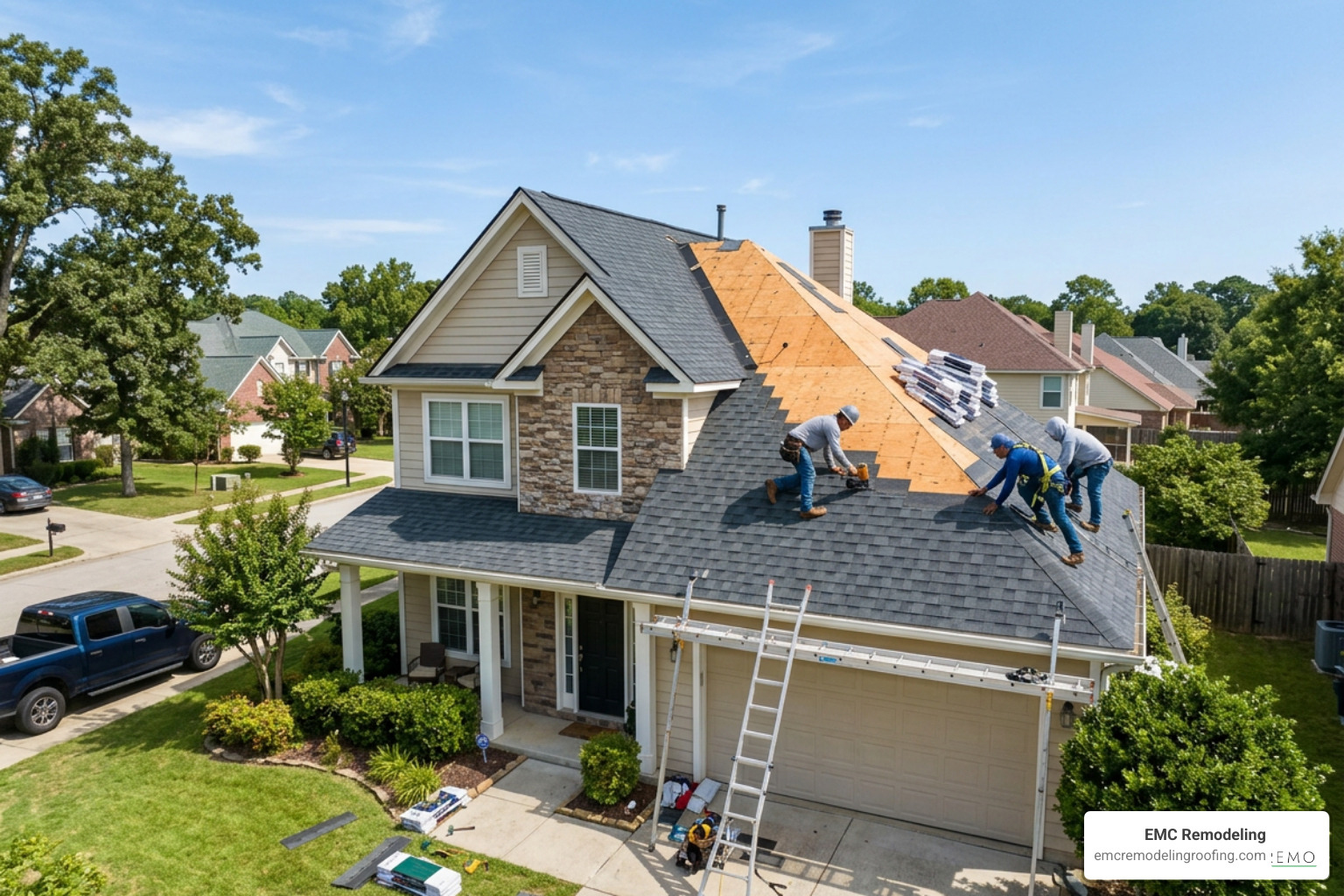
What to Do When You Need a New Roof: Costs, Financing, and First Steps
If you need a new roof, here is what you need to know right away:
- Average cost: $10,000–$20,000 for most homes ($6.30–$12.30 per sq ft)
- Asphalt shingles (most common): $6,000–$9,000 for a 1,700 sq ft home
- Financing options: Home equity loans, personal loans, contractor financing, and government programs
- Insurance: May cover storm, wind, or hail damage — you pay only the deductible
- First step: Get a professional inspection, then collect at least two or three written quotes
A roof replacement is one of the largest home expenses you will face. The average cost runs between $10,000 and $20,000, and that number can climb quickly once labor, disposal, and hidden structural damage are factored in. For Central Texas homeowners dealing with intense heat, UV exposure, and seasonal hailstorms, the financial pressure is real — and the urgency is often higher than it seems.
The good news? There are proven ways to manage the cost without cutting corners on quality. From flexible financing and insurance claims to choosing the right materials for your budget, this guide walks you through every step.
I’m Matthew Runyon, President of EMC Remodeling & Roofing, and over my 15+ years in the industry I’ve helped hundreds of Central Texas homeowners navigate the moment they realized they need a new roof — from the first inspection through the final shingle. I’ll show you exactly how to protect your home and your wallet at the same time.
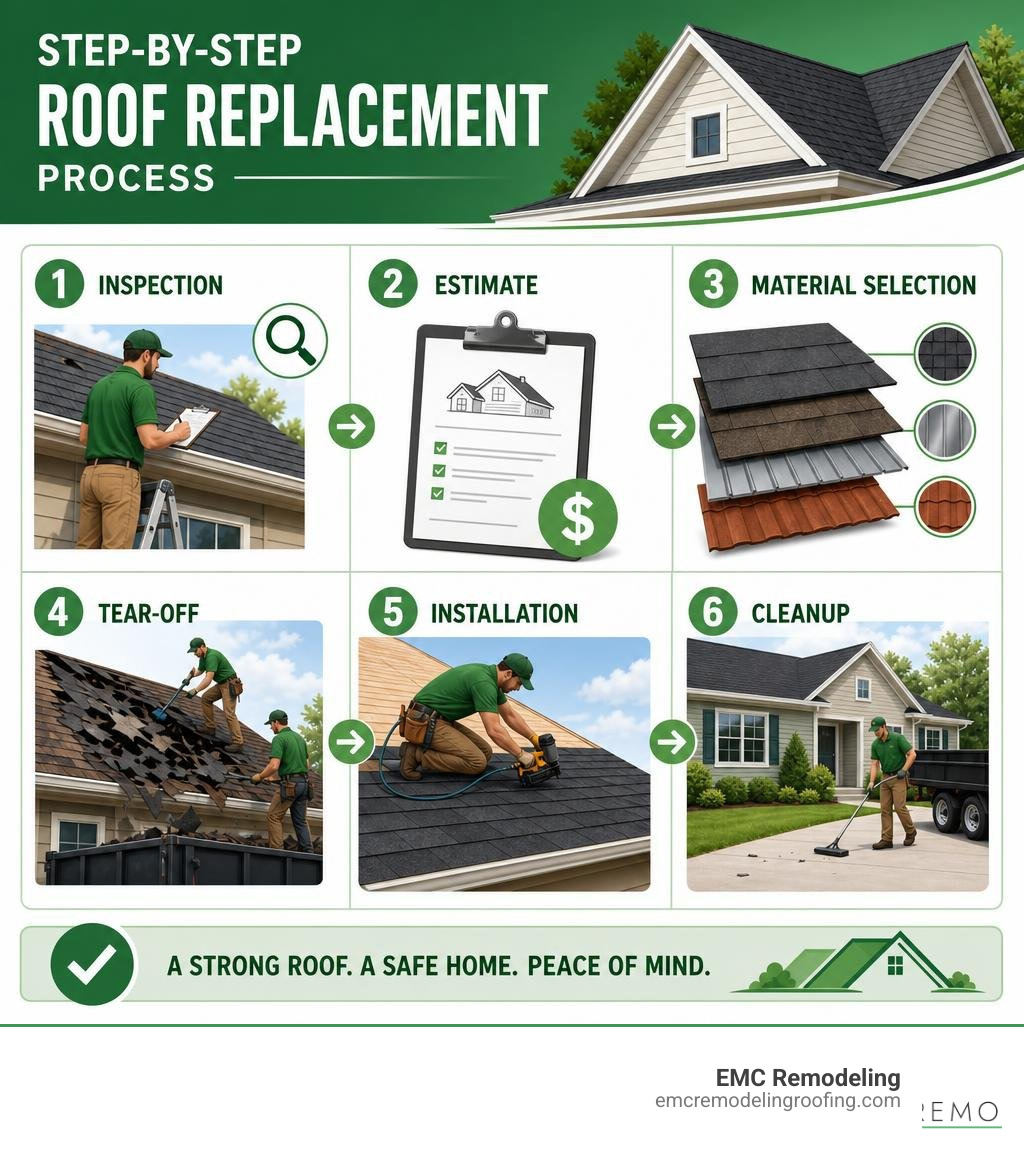
Basic need a new roof terms:
Don’t Wait for Disaster: 5 Critical Warning Signs You Need a New Roof
It is easy to ignore your roof when the sun is shining, but waiting until water is actively dripping onto your living room sofa is a recipe for a massive financial headache. Recognizing the early warning signs of a failing roof allows you to plan, budget, and replace it on your own terms rather than during a midnight storm emergency.
A roof that is over 20 years old has reached the end of its reliable lifespan and is highly susceptible to sudden failure. Even if it looks acceptable from the ground, the asphalt binders have likely dried out, leaving the underlying structure vulnerable to leaks.
Here are the five critical warning signs that tell you it is time to act:
- Curling and Buckling Shingles: When shingles curl upward at the edges or cup in the middle, they have lost their structural integrity. This occurs due to age, extreme heat, or poor attic ventilation, and it means they can no longer shed water or resist wind.
- Granule Loss: Have you noticed what looks like coarse black sand piling up at the bottom of your downspouts? Those are protective mineral granules. Once shingles shed their granules, the raw asphalt is exposed to harsh UV rays, which rapidly accelerates cracking and leaks.
- Water Leaks and Ceiling Stains: Water stains on your ceilings, damp spots in your attic, or mold growth along your rafters are clear signs of active moisture intrusion. If left unaddressed, this moisture will rot your wooden decking and ruin your insulation.
- Structural Sagging: This is the ultimate red flag. A sagging roofline indicates that water has rotted the underlying plywood decking or compromised the rafters. If you notice any dipping or drooping, you must act quickly to prevent a partial collapse.
- Damaged or Exposed Flashing: Flashing is the metal barrier installed around chimneys, dormers, and valleys. If your flashing is rusted, cracked, or pulling away, water will find a direct path into your home.
If you are noticing any of these issues, we highly recommend taking a look at our guide on how to Stop the Sag and Spot the Signs You Need a New Roof to assess your situation. Proactive planning is always cheaper than reactive panic. To understand the compounding costs of waiting, read Don’t Wait for a Leak to Replace Your Roof and explore your options for Replacing Your Roof. If you are currently dealing with an active water intrusion, do not wait — reach out immediately for Emergency Roof Repair Services to protect your interior.
The Financial Blueprint: Navigating Roof Replacement Costs, Financing, and Insurance
When you realize you need a new roof, the very first question is almost always: How much is this going to cost me?
Understanding the financial landscape of roof replacement helps you make smart decisions. To give you a clear starting point, we have compiled a comparison of the most common materials, their average lifespans, and their performance characteristics.
| Roofing Material | Average Lifespan | Estimated Material Cost (per sq ft) | Wind Resistance Rating | Fire Resistance Rating |
|---|---|---|---|---|
| 3-Tab Asphalt Shingles | 15–20 Years | $3.40 – $4.50 | Up to 60 MPH | Class A |
| Architectural Shingles | 25–30 Years | $4.50 – $5.95 | Up to 110–130 MPH | Class A |
| Metal Roofing (Standing Seam) | 40–70 Years | $7.00 – $12.00 | Up to 140+ MPH | Class A |
| Clay / Concrete Tile | 50–100 Years | $10.00 – $18.00 | Up to 125 MPH | Class A |
| Slate | 100+ Years | $15.00 – $25.00 | Up to 150 MPH | Class A |
How Material Choices Impact Your Budget When You Need a New Roof
Asphalt shingles offer the lowest upfront cost, while metal and tile roofing provide superior longevity at a higher initial investment. Deciding which material is right for your home depends on your budget, how long you plan to live in the house, and the local climate.
- 3-Tab Asphalt Shingles: This is the most budget-friendly option on the market. If you are on a very tight budget or planning to sell your home soon, 3-tab shingles provide a clean look at an affordable price point. However, they are lighter and more prone to wind uplift during severe Texas storms.
- Architectural Shingles: Also known as dimensional shingles, these are slightly thicker and heavier than 3-tab shingles. They offer enhanced wind resistance (up to 130 MPH when installed with a 6-nail pattern) and feature a beautiful, textured appearance. For most homeowners, architectural shingles represent the sweet spot of value, durability, and curb appeal.
- Metal Roofing: Though the upfront cost of metal is higher, its lifespan is outstanding. Metal roofs reflect solar radiant heat, which can lower your summer cooling costs by up to 15%. They are also highly resistant to hail and high winds, making them a favorite in areas like Temple and Belton.
- Clay Tile & Slate: These are premium, lifetime materials. They look stunning and can easily last a century, but they are incredibly heavy. If you choose clay or slate, a structural engineer must inspect your home first to ensure your framing can support the immense weight.
If you are ready to compare options, check out our guide on Changing Your Roof: The Price Tag You Need to Know and discover clever ways to maximize your savings with The Ultimate Guide to Roof Rebuild Costs from Shingles to Savings. For professional, code-compliant installation of any of these materials, explore our residential roof installation services.
Hidden Cost Factors to Consider When You Need a New Roof
Labor, disposal fees, and underlying structural damage represent up to 60% of the total cost of a roof replacement. When you receive a roofing estimate, the shingles themselves only make up a portion of the price. Several behind-the-scenes factors influence the final invoice:
- Roof Removal & Disposal Fees: Tearing off old shingles and hauling them to a local landfill is heavy, labor-intensive work. Removing and disposing of existing roofing material typically costs between $0.40 and $2.00 per square foot, which averages out to $665 to $3,343 depending on the size of your home and how many layers of shingles are being removed.
- Roof Pitch and Complexity: A flat or low-slope roof is easy to walk on and quick to install. A steep roof with multiple valleys, dormers, and ridges requires specialized safety harnesses, scaffolding, and extra care, which increases labor costs.
- Decking Damage: When the old shingles are removed, the wooden decking underneath is exposed. If water has seeped through over the years, some of this plywood will be rotted and must be replaced before new shingles can be nailed down.
- Underlayment, Flashing, and Ventilation: A high-quality roof is a complete system. This includes synthetic underlayment, ice and water shields in the valleys, fresh drip edges, and proper ridge ventilation to keep your attic cool.
- Local Permit Fees: Building permits are required in cities like Leander and Temple to ensure the work meets local building codes.
To ensure your installation includes all of these essential components without hidden surprises, work with a company that values transparency, such as EMC Remodeling Roof Replacement Services.
Smart Financing Options and Navigating Insurance Claims

If you do not have $15,000 sitting in a savings account, do not panic. Homeowners have access to several excellent financing avenues:
- Home Equity Loans & HELOCs: If you have built up equity in your home, a Home Equity Line of Credit (HELOC) or home equity loan offers some of the lowest interest rates available.
- Personal Loans & Contractor Financing: Many homeowners opt for personal loans because they do not require using your home as collateral. Additionally, reputable contractors often partner with specialized lenders to offer zero-down or low-interest monthly payment plans.
- Government Grants: Programs like the HUD Title I Property Improvement Loan allow low-to-moderate-income families to secure financing for vital home repairs.
If your roof was damaged by a sudden storm, your homeowners insurance policy might cover the entire replacement. However, navigating insurance claims requires understanding a few key terms:
- ACV (Actual Cash Value): This payout method factors in depreciation. If your 20-year-old roof is damaged, the insurance company will only pay what a 20-year-old roof is currently worth, leaving you to cover the rest out of pocket.
- RCV (Replacement Cost Value): This is the ideal policy. The insurance company pays the actual cost to replace your roof with a brand-new one of similar quality, minus your deductible.
- Deductibles: In Texas, wind and hail deductibles are often calculated as a percentage of your home’s total insured value (usually 1% to 2%). You are legally required to pay this deductible directly to your contractor.
To explore your financial options, read Don’t Break the Bank with These Roof Financing Options. If you suspect hail or wind from a recent storm caused your roofing issues, check out our specialized Hail Damage Roof Repair Services for assistance with documenting and filing your claim.
How to Hire a Trusted Contractor and Secure an Accurate Estimate

The quality of your roof replacement is only as good as the crew installing it. Choosing the cheapest bid from an unverified “storm chaser” frequently leads to poor installation, structural leaks, and voided manufacturer warranties.
Hiring an unlicensed or uninsured contractor to save money often results in voided manufacturer warranties and costly code violations. To protect your home and your wallet, use this quick vetting checklist when speaking with local roofing companies:
- Verify Licensing and Insurance: Ensure the contractor has active general liability insurance and workers’ compensation. If an uninsured worker is injured on your property, you could be held liable.
- Ask About Subcontractors: Ask if the company uses their own trained employees or subcontracts the work. If they use subcontractors, request a lien waiver to guarantee the crew is paid properly.
- Get a Detailed, Written Estimate: A professional quote should clearly break down the cost of materials, labor, tear-off fees, permits, and cleanup.
- Check Local References: Look for established local companies with physical offices in the area. You can check regional directories like Yelp’s top roofing contractors in Leander, TX to verify their local reputation.
To ensure you are getting a fair deal, read The Ultimate Guide to Getting a New Roof Estimate Near You and our Roof Replacement Estimate Complete Guide. For specific advice on vetting local professionals, read Don’t Get Soaked: How to Choose a Residential Roofer in Temple TX. If your roof only needs localized attention rather than a full replacement, you can also explore our professional roof repair services.
Expert Answers to Your Most Common Roof Replacement Questions
What is the most cost-effective alternative to a full roof replacement?
Professional roof repairs and targeted maintenance are the most cost-effective alternatives to a full replacement, provided the roof’s structural decking remains dry and intact.
If your roof is less than 15 years old and the damage is confined to a specific area — such as a few shingles blown off during a storm or a minor leak around a chimney — a targeted repair is highly sensible. Additionally, routine maintenance tasks such as clearing debris from valleys, sealing pipe boots, and maintaining clean gutters can easily add five to ten years to your roof’s lifespan, allowing you to delay a major capital expense.
Does a new roof lower your homeowners insurance premium?
Yes, installing a new roof can lower your homeowners insurance premium by 5% to 35%, depending on the materials used and your insurer’s policies.
Insurance companies love new roofs because they drastically reduce the likelihood of water damage claims. You can maximize these discounts by choosing Class 4 impact-resistant shingles, which are specially tested to withstand hail up to two inches in diameter. Additionally, modern installation techniques that meet updated building codes provide superior wind resistance, making your home a much safer bet for insurance providers.
What is the 25% rule in roof replacement?
The 25% rule is a building code requirement stating that if more than 25% of a roof section is damaged, the entire roof must be replaced to meet current building codes.
This rule is strictly enforced under Texas building codes to prevent unsafe, partial overlays on structurally compromised roofs. It ensures that homes maintain structural integrity and can withstand severe weather. Furthermore, Texas building codes limit residential roofs to a maximum of two layers of shingles. If your roof already has two layers, a complete tear-off down to the bare wood decking is legally required before any new shingles can be installed.
Protect Your Home and Budget with EMC Remodeling
At EMC Remodeling, we understand that realizing you need a new roof can feel overwhelming. As a family-operated business based in Temple, TX, we are dedicated to providing clear communication, honest pricing, and exceptional craftsmanship to our neighbors throughout Central Texas, including Leander, Belton, and the surrounding areas.
We bring direct owner involvement to every single project, offer 24/7 emergency support when severe weather strikes, and provide flexible financing options to ensure your home stays dry and safe without breaking your budget.
- Ready to secure your home? Schedule your professional consultation via our Roof Replacement Services page.
- Looking for trusted local expertise? Read more about our dedicated solutions for Roof Replacement in Belton TX.
