Why Understanding Low-E Glass Matters for Your Texas Home
For homeowners in Central Texas, managing summer heat is a top priority. An often-overlooked solution is upgrading to modern windows, a key part of your home’s protective envelope. At EMC Remodeling, we know that a complete exterior solution—from the roof down to the windows—is the best way to ensure comfort and efficiency. That’s where low-e glass comes in.
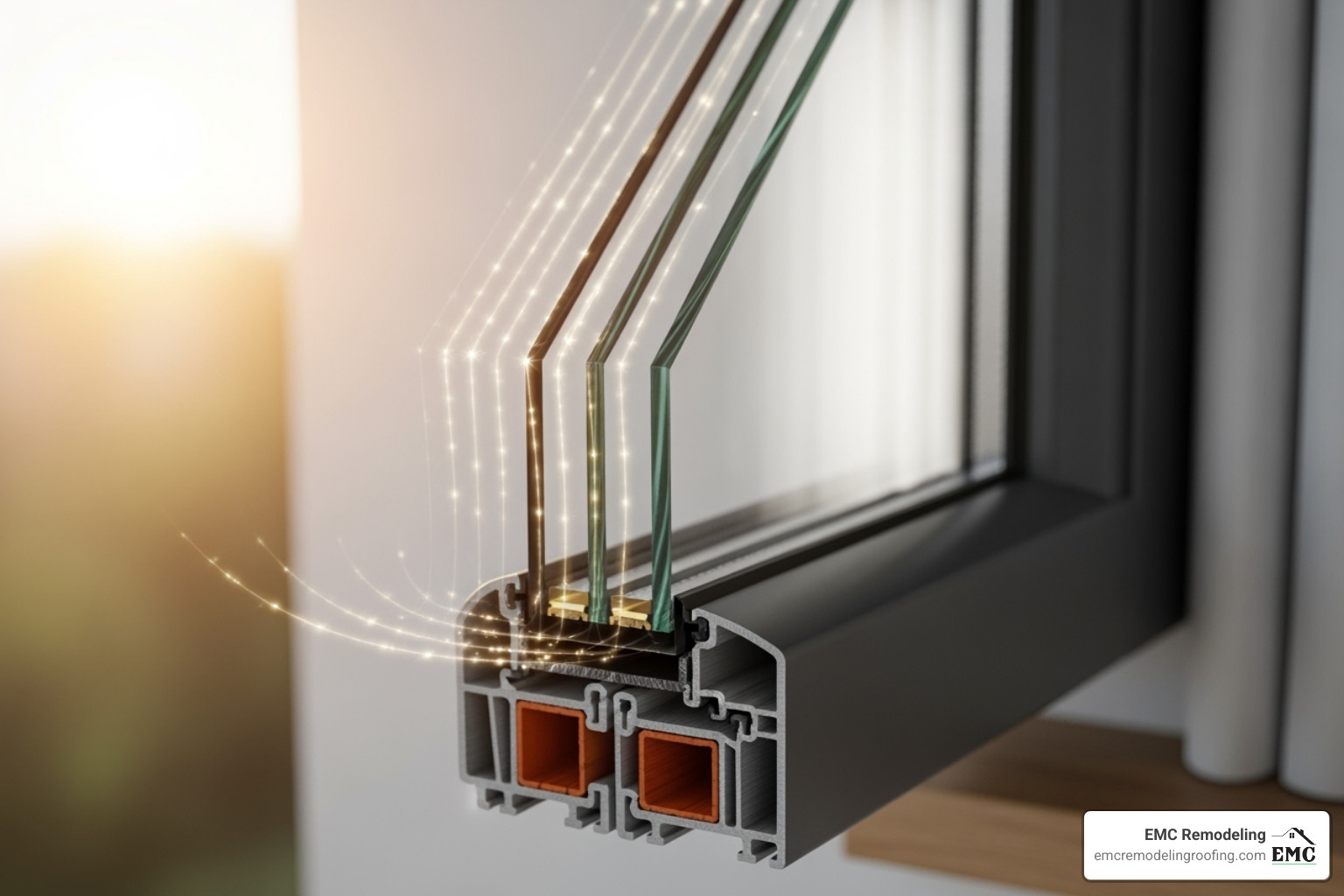
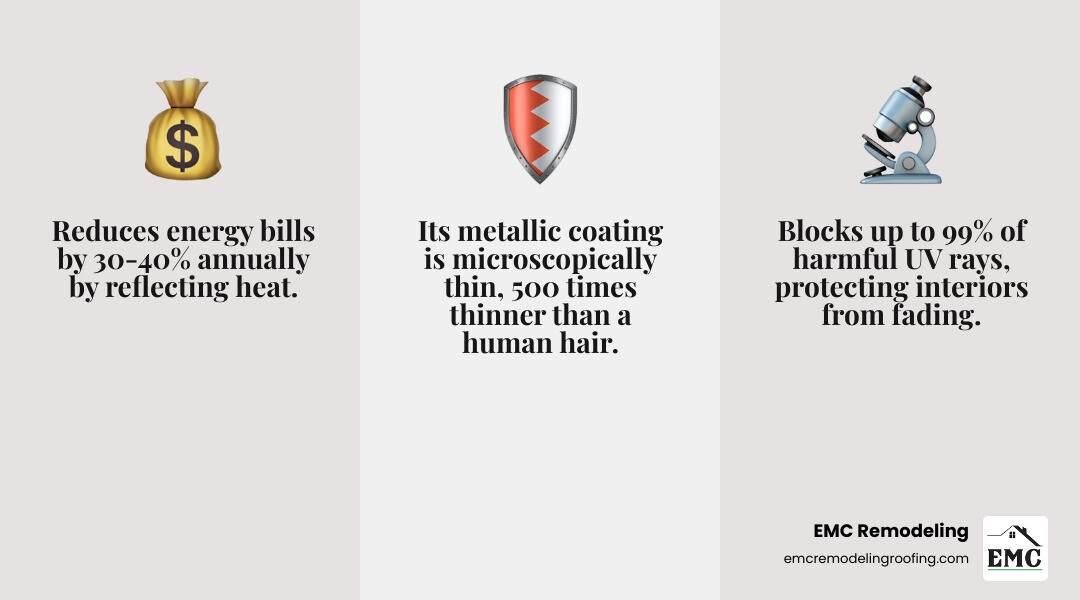
Low-e glass features a microscopically thin, transparent metallic coating that reflects heat while letting natural light pass through. This technology keeps your home cooler in the summer and warmer in the winter by reflecting infrared radiation (heat energy). It also blocks up to 99% of harmful UV rays that fade furniture and flooring, all while maintaining clear views and reducing energy costs. For Texas homes, where summer temperatures often top 95°F, low-e glass is essential for creating a comfortable living space and managing high utility bills.
As President of EMC Remodeling, I’ve helped countless Central Texas homeowners upgrade to energy-efficient windows featuring low-e glass over the past 15 years, consistently seeing dramatic improvements in home comfort and reduced cooling costs. Understanding this technology will help you make an informed decision for your home.
The Science of Savings: How Does Low-E Glass Actually Work?
The “e” in low-e glass stands for emissivity—a measure of a material’s ability to radiate heat. Regular glass has high emissivity, letting heat pass through easily. Low-e glass has a microscopic metallic coating that gives it low emissivity, turning your window into a thermal mirror.
This ultra-thin layer, often containing silver and approximately 500 times thinner than a human hair, reflects heat back to its source. In winter, it keeps your home’s warmth inside. In summer, it reflects the sun’s intense heat away, easing the load on your air conditioner.
The coating is spectrally selective, meaning it’s engineered to block heat-carrying infrared and damaging UV radiation while allowing visible light to stream in. This is how it protects your interiors from fading and keeps rooms bright without the associated heat gain, much like a thermos keeps drinks at their initial temperature. This dual action is what makes low-e glass so effective at cutting energy costs and improving comfort. For a detailed technical explanation, Vitro’s Glass Education Center provides excellent resources on how Low-E technology works.
Hard vs. Soft Coat: A Guide to Low-E Coating Types and Manufacturing
When you’re shopping for low-e glass windows, you’ll encounter two main types of coatings: hard-coat and soft-coat. They represent different manufacturing processes that affect performance and durability.
- Hard-Coat (Pyrolytic): This coating is fused to the glass during manufacturing while it’s still molten. The process creates an extremely durable surface, but it offers less insulation and solar control compared to soft-coat options.
- Soft-Coat (MSVD): Applied in a vacuum chamber after the glass is made, this coating consists of multiple thin layers, including silver. While more delicate, it offers superior performance in reflecting heat. To protect it, the soft-coat is always sealed inside a double or triple-pane Insulated Glass Unit (IGU). For the Texas climate, soft-coat is the high-performance choice.
Passive vs. Solar Control Low-E Glass
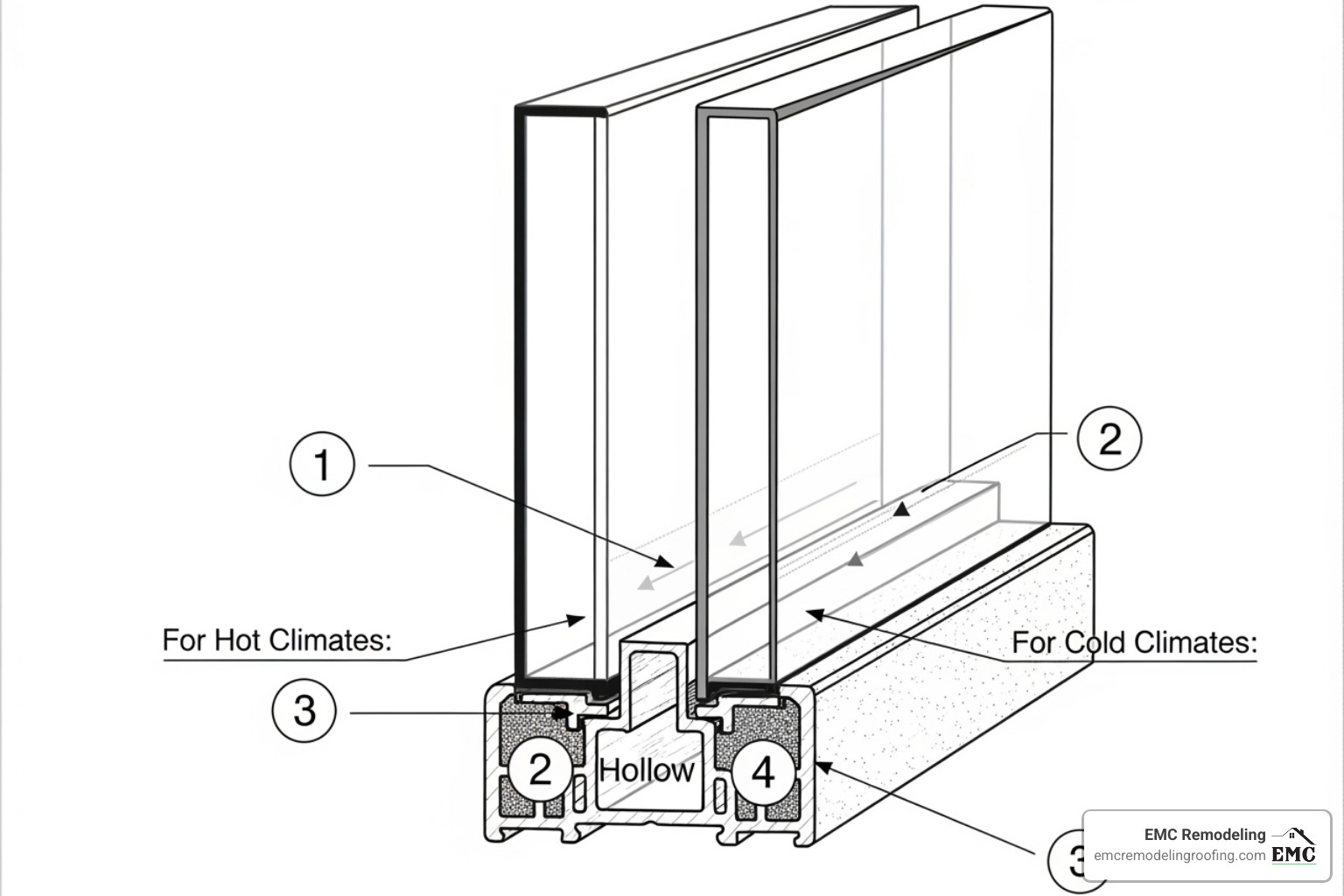
The coating you choose should match your climate. Passive Low-E is designed for cold climates, allowing more of the sun’s heat to pass through for natural warming. Solar Control Low-E is engineered for hot climates like ours in Central Texas. This coating reflects a large portion of solar heat, keeping homes cooler and reducing AC costs.
Where the Coating Goes: IGU Surface Placement
The coating’s placement within the IGU is also critical. An IGU has four surfaces, numbered from the outside in. In hot climates, the solar control coating is placed on surface #2 (the inner side of the exterior pane) to block heat before it enters the space between the panes. This strategic placement, protected inside the sealed unit, provides the most effective defense against summer heat for your window replacement project.
Decoding the Label: Key Performance Metrics for Low-E Glass
Understanding a window’s performance label is key to choosing the right low-e glass for your home. Four metrics tell you everything you need to know about how a window will manage heat and light.
| Metric | Passive Low-E (Cold Climate Focus) | Solar Control Low-E (Hot Climate Focus) |
|---|---|---|
| U-Value (Lower is better) | 0.30 – 0.35 | 0.25 – 0.32 |
| SHGC (Lower is better for cooling) | 0.50 – 0.70 | 0.20 – 0.40 |
| VLT (Higher is better for light) | 0.60 – 0.75 | 0.40 – 0.70 |
| LSG (Higher is better) | 1.0 – 1.5 | 1.25 – 2.50+ |
U-Value and SHGC: Your Keys to Climate Control
- U-Value: Measures how well a window prevents heat from escaping. A lower U-Value means better insulation. Low-e coatings can drop a window’s U-Value from 0.50 to below 0.30, meaning your HVAC system works less.
- Solar Heat Gain Coefficient (SHGC): Measures how much solar heat a window lets in. For Central Texas, a low SHGC (ideally 0.40 or less) is critical to block summer heat and reduce cooling costs. According to the U.S. Department of Energy, low-e windows can cut energy use by 30-40%.
VLT and LSG: Balancing Light and Heat
- Visible Light Transmittance (VLT): The percentage of visible light that passes through the glass. Modern low-e glass offers high VLT, so you don’t have to sacrifice a bright home for energy efficiency.
- Light to Solar Gain (LSG): This ratio (VLT divided by SHGC) shows how well a window lets in light while blocking heat. A higher LSG (1.25+) means the glass is ‘spectrally selective’—perfect for enjoying sunny rooms without the heat. When we help homeowners with window installation projects, we focus on these metrics to ensure the best results.
The Benefits vs. The Drawbacks: Is Low-E Glass Worth It?
Is investing in low-e glass windows worth it for your Texas home? For homeowners in our service areas like Temple, Cedar Park, and Georgetown, the answer is a resounding yes.
Major Benefits of Upgrading Your Windows
The advantages of low-e glass impact your comfort, budget, and home’s value.
- Significant Energy Savings: Experts note that up to 70% of a home’s energy loss occurs through windows and doors. Low-e coatings can reduce this window-related energy loss by 30-40%, leading to hundreds of dollars in annual savings on cooling bills.
- Reduced HVAC Strain: By blocking solar heat, low-e windows reduce the workload on your air conditioner, potentially extending its lifespan and minimizing repair needs.
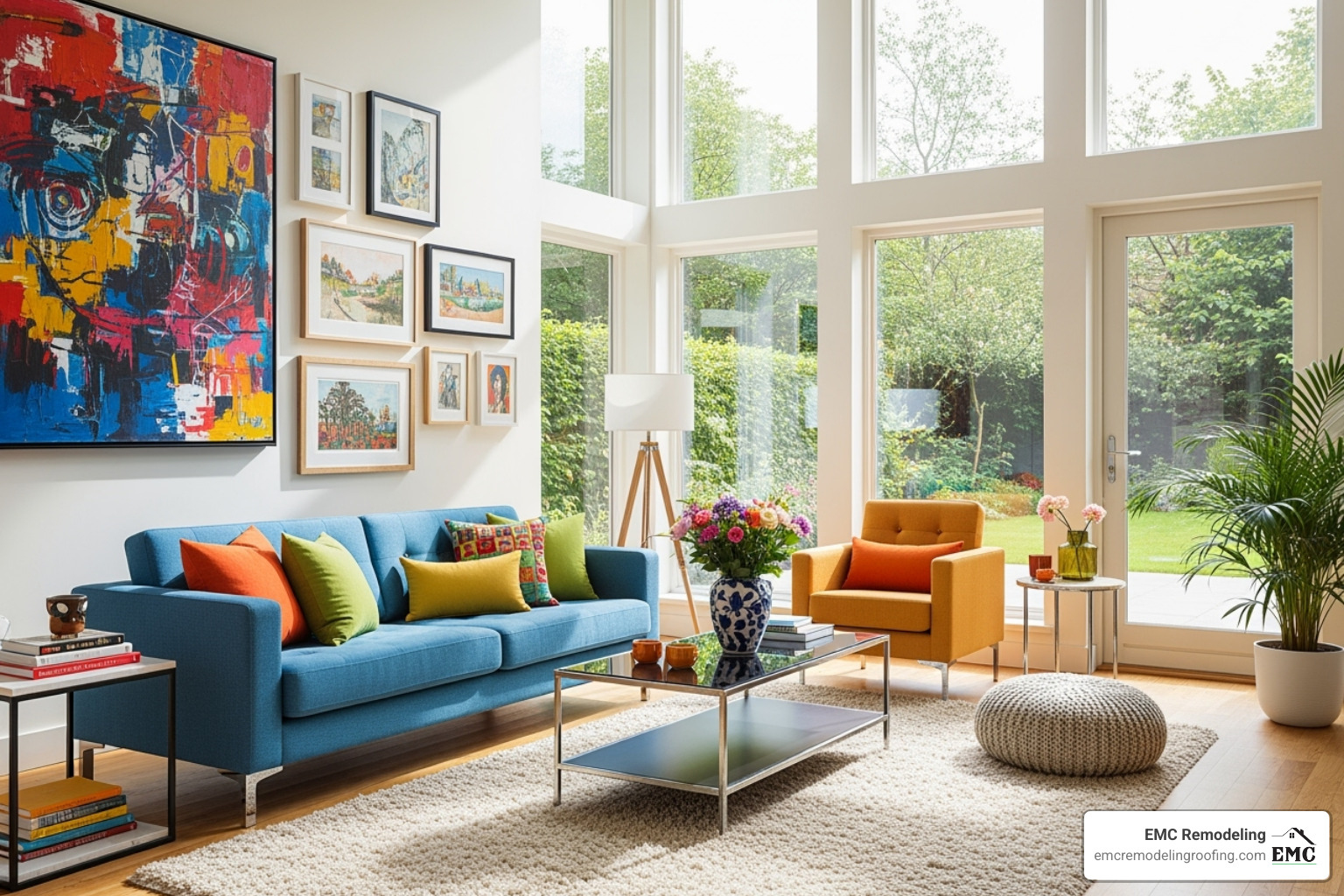
- UV Protection: Low-e glass blocks up to 99% of the harmful UV rays that cause about 50% of fading in furniture, floors, and artwork, preserving your valuable interiors.
- Year-Round Comfort: This technology eliminates hot and cold spots near windows, creating a more consistent and comfortable temperature throughout your home.
- A Complete Building Envelope: A home’s exterior works as a system. A durable roof from our roof installation team keeps out the elements, while efficient window services with low-e glass keep your conditioned air inside. Together, they provide maximum protection and energy savings.
Potential Considerations
- Initial Cost: Low-e windows cost about 10-15% more upfront than standard windows. However, this should be viewed as a long-term investment in your home’s value and comfort.
- Return on Investment (ROI): While the ROI based purely on energy savings can take years, the immediate benefits of improved comfort, UV protection, and increased home value are significant.
- Minor Issues: In rare cases, highly reflective coatings can interfere with cell signals, and some may have a very subtle tint. These are minor considerations for most homeowners compared to the substantial performance gains.
Frequently Asked Questions about Low-E Glass
As we help homeowners throughout Central Texas explore their window upgrade options, we get asked a lot of questions about low-e glass. These are the most common ones we hear, along with honest answers.
How does Low-E glass compare to double or triple-pane windows?
They aren’t competitors; they’re teammates. Double or triple-pane windows create insulating air gaps, while the low-e glass coating on one of the panes reflects heat. The best performance comes from combining these technologies: a multi-pane window replacement with a low-e coating and an inert gas fill like argon. This combination works together to maximize energy efficiency in products like modern vinyl windows.
How does Low-E glass protect my furniture and floors?
Sunlight contains invisible ultraviolet (UV) radiation, which is responsible for about 50% of interior fading. The metallic coating on low-e glass acts as a powerful sunscreen for your home, blocking up to 99% of these damaging rays when combined with other technologies like laminated glass. This preserves the color and integrity of your furniture, carpets, artwork, and flooring for years to come.
Can a Low-E coating be applied to my existing windows?
Unfortunately, no. True low-e glass coatings are applied during manufacturing in a highly controlled environment and sealed inside the insulated glass unit (IGU) to protect them from damage and moisture. Aftermarket films or sprays cannot replicate the performance or durability of factory-applied coatings. The only way to get the full benefits of this technology is through a new window installation or by replacing the IGU in your existing frames.
Upgrade Your Home’s Efficiency with Expert Window Services
Low-e glass is a proven technology that offers a powerful upgrade for any Central Texas home. By reducing energy costs, protecting your interiors from sun damage, and creating a more comfortable living environment, it delivers tangible benefits year-round. In our hot climate, solar control low-e glass is one of the smartest investments you can make in your home’s efficiency.
For over 15 years, EMC Remodeling has helped families in Temple, Killeen, Belton, and Salado, TX, transform their homes with high-quality exterior services. We understand that your home’s envelope—from the roof to the windows—is a complete system. Our direct owner involvement ensures every window replacement is handled with meticulous care, helping you create a more efficient and comfortable home for decades.
As a local, family-operated business, we’re your neighbors, and we’re invested in our community. We’ll be here long after the job is done.
Ready to feel the difference low-e glass can make?
Contact us today for comprehensive window services and a free consultation, or call us at (254) 277-2832. Let’s make your home more comfortable and efficient!