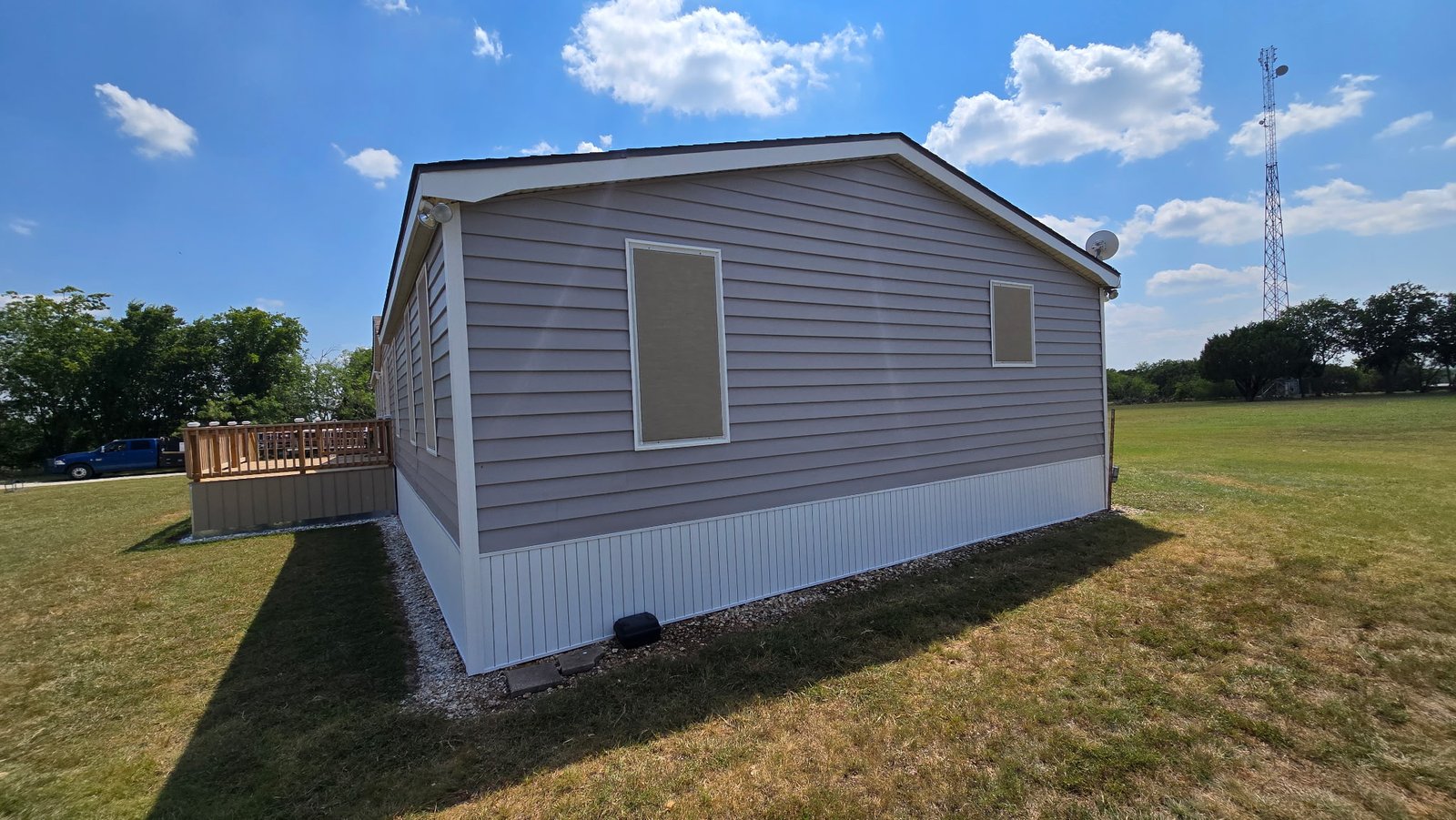
Your siding does more than shape your home’s curb appeal — it’s the first line of defense against Central Texas’s triple-digit summers, sudden hailstorms, and swings in humidity. When siding starts to fail, the damage often isn’t just cosmetic; it can lead to moisture intrusion, energy loss, and even structural issues if left unaddressed.
Here are five signs it’s time to call a professional — and how to tell whether a repair will do the job or a full replacement makes more sense.
1. Cracks, Warping, or Buckling
Small cracks might seem minor, but they’re an entry point for water. Warped or buckled panels usually mean moisture has already gotten behind the siding, or that the material has expanded and contracted one too many times in the Texas heat. A few isolated cracked panels can often be repaired. Widespread warping across a wall usually signals it’s time to talk replacement.
2. Fading or Discoloration That Won’t Wash Off
Some color fade from UV exposure is normal over the years. But if you’re seeing patchy discoloration, streaking, or a chalky residue that doesn’t wash away, the protective finish has likely broken down. At that point, siding is no longer doing its job of shedding water and blocking UV — it’s just along for the ride.
3. Rising Energy Bills
If your cooling costs have crept up without an obvious reason, your siding could be part of the problem. Gaps, warping, or failing seals let conditioned air escape and let outdoor heat in, forcing your HVAC system to work harder. New siding — especially insulated vinyl or James Hardie fiber cement — can noticeably tighten up your home’s building envelope.
4. Signs of Moisture Behind the Siding
Soft spots, bubbling paint on interior walls, or a musty smell near exterior walls are red flags that water has found its way behind your siding. This is one of the more urgent signs on this list — moisture trapped behind siding can lead to mold and rot in the wall structure, which turns a siding project into a much bigger (and more expensive) repair if it’s ignored.
5. Storm or Hail Damage
Central Texas hail doesn’t discriminate — it can dent, crack, or completely blow holes in siding panels in a matter of minutes. After any significant storm, it’s worth a quick visual check (or a professional inspection) even if damage isn’t obvious from the ground. Hail impacts aren’t always visible at eye level, but they can still compromise a panel’s ability to protect your home.
Repair or Replace? Here’s How to Decide
- Repair usually makes sense when damage is isolated to a few panels or one section of the home, and the rest of your siding is in good shape.
- Replacement is the better call when damage is widespread, siding is nearing the end of its expected lifespan, or you’re noticing multiple issues from this list at once — cracking and rising energy bills, for example, often point to a system-wide problem rather than a one-spot fix.
At EMC Remodeling, replacement is actually our most common siding project — not because every home needs it, but because by the time most homeowners call, the damage has already spread past the point where a patch repair makes sense. A quick inspection can tell you which category your home falls into before you spend money on the wrong fix.
Think Your Siding Needs a Second Look?
EMC Remodeling offers free siding inspections across Central Texas — including vinyl siding and James Hardie fiber cement installation and repair. Contact us today to schedule your free estimate.